

Blog
How to Coordinate Your Hairstyle and Outfit to Make a Strong Impression
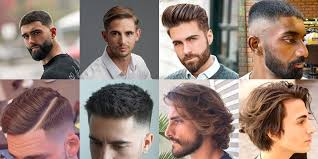
Sep
Introduction
In today’s world, first impressions are crucial. Whether in professional settings, social gatherings, or casual encounters, the way a man presents himself can significantly influence how others perceive him. Among all aspects of personal appearance, two elements stand out as the most noticeable and impactful: hairstyle and outfit. While clothing communicates style, personality, and status, a well-groomed hairstyle reinforces confidence, attention to detail, and individuality. Together, they create a cohesive and powerful visual impression that can leave a lasting mark on anyone you meet.
Many men, however, underestimate the importance of coordinating these two elements. Wearing a stylish outfit paired with a mismatched or unkempt hairstyle can diminish the impact of even the most carefully chosen clothes. Conversely, a polished, well-maintained hairstyle can elevate even simple attire, making a man appear more sophisticated, confident, and put-together. Understanding how to harmonize hairstyle and wardrobe is therefore a vital skill for modern men who aim to project a strong, memorable presence.
This article explores the principles and strategies for effectively coordinating hair and clothing to create a powerful impression. It will cover different styles—from professional office wear to casual smart and street fashion—highlighting suitable hairstyles for each context. Additionally, it will offer guidance on selecting hairstyles based on face shape, hair type, and personal style, as well as tips on maintaining healthy, manageable hair that complements any outfit. By mastering the relationship between hair and wardrobe, men can ensure that every appearance is deliberate, confident, and visually striking.
Ultimately, coordinating hairstyle and outfit is not just about aesthetics—it is about self-expression, professionalism, and confidence. A harmonious combination of the two elements enhances a man’s personal brand, making him memorable, charismatic, and capable of making strong impressions in every aspect of life. In the sections that follow, we will explore practical approaches, expert tips, and styling guidelines to help men achieve this balance effortlessly.
1. The Importance of Hairstyle in Personal Image
Hairstyle is one of the most visible and influential aspects of a man’s appearance. It serves as a natural “accessory” that communicates personality, style, and attention to detail without a single word being spoken. A well-chosen hairstyle can enhance facial features, complement body proportions, and project confidence, while a poorly maintained or mismatched style can detract from an otherwise polished look. Understanding the significance of hairstyle is the first step in creating a strong, memorable impression.
1.1 Hair as a Reflection of Personality
A man’s hairstyle is often a reflection of his personality and lifestyle. For instance, a clean, slicked-back look may suggest professionalism, discipline, and sophistication, while a textured, messy hairstyle may convey creativity, energy, and a casual demeanor. Selecting a hairstyle that aligns with personal identity allows a man to communicate his character subtly yet effectively. When paired with clothing that echoes the same traits, the overall impression becomes stronger and more coherent.
1.2 Impact on First Impressions
Studies have shown that first impressions are formed within the first few seconds of meeting someone. Hair plays a crucial role in these initial judgments, often influencing perceptions of competence, approachability, and style. A tidy, well-styled haircut signals that a man cares about grooming and takes pride in his appearance, which can be particularly important in professional or social contexts. Conversely, unkempt hair, frizz, or inappropriate styles can create a sense of disorganization or lack of attention to detail, undermining other elements of appearance.
1.3 Factors to Consider When Choosing a Hairstyle
When selecting a hairstyle, several factors should be taken into account to ensure it enhances overall appearance:
Face Shape: Different haircuts suit different face shapes. For example, side-part styles often complement round faces, while textured or voluminous styles can balance narrower faces.
Hair Type and Texture: Fine, thick, straight, or curly hair requires different approaches for styling and maintenance. Choosing a cut that works with natural hair texture ensures better manageability and longevity.
Lifestyle and Personal Goals: Professional demands, social activities, and personal style preferences influence the practicality and suitability of certain hairstyles. A low-maintenance style may be preferable for busy schedules, while a more elaborate cut may be ideal for fashion-conscious individuals.
1.4 Hair Health and Grooming
Healthy, well-maintained hair is essential for creating a strong impression. Regular trims, proper washing routines, and the use of quality styling products—such as pomades, waxes, or gels—help maintain shape, shine, and manageability. Damaged, frizzy, or greasy hair can overshadow the effort put into clothing and accessories, diminishing overall style impact. Grooming and hair care routines are therefore as important as the cut itself in achieving a polished, attractive appearance.
1.5 Synergy Between Hair and Clothing
Finally, it is important to understand that hairstyle and outfit are interconnected components of personal style. A cohesive approach ensures that both elements complement each other, creating a harmonious and striking impression. For instance, a sharp, tailored suit paired with a sleek haircut conveys professionalism and confidence, while casual, relaxed attire with a messy yet controlled hairstyle projects creativity and approachability. When hair and clothing align in style, color, and texture, the visual message becomes more powerful and intentional.
In conclusion, hairstyle is a fundamental aspect of personal image that can greatly influence first impressions, confidence, and the overall perception of style. Choosing the right haircut, maintaining hair health, and coordinating it with clothing are essential steps for men who want to make a strong, lasting impression. Understanding the importance of hairstyle is the foundation for mastering the art of combining hair and outfit to project a polished, confident, and memorable presence.
2. Coordinating Hair with Office Attire
For professional environments, the combination of hairstyle and clothing plays a pivotal role in conveying competence, reliability, and sophistication. Office attire, such as tailored suits, dress shirts, and polished shoes, requires a hairstyle that complements the formal tone while enhancing personal presence. The right coordination ensures that every element of appearance reinforces professionalism and leaves a strong, positive impression on colleagues, clients, and superiors.
2.1 Classic Office Hairstyles
Several timeless hairstyles are particularly well-suited for office environments:
Slick-Back Hair: A clean, combed-back style exudes professionalism and discipline. It pairs exceptionally well with suits and ties, projecting a sharp, authoritative image.
Side-Part Haircut: This versatile style works for most face shapes and maintains a balance between formal and approachable. It provides structure without appearing rigid or overly styled.
Undercut with Tapered Sides: Modern yet professional, undercuts with neatly tapered sides allow for creative expression on top while keeping the overall look office-appropriate.
These hairstyles combine clean lines and controlled texture, ensuring that the individual appears polished without drawing excessive attention to the hair alone.
2.2 Matching Hair Texture and Volume to Office Outfits
The texture and volume of hair also influence the overall office look:
Straight, Sleek Hair: Works best with sharp, tailored suits and crisp dress shirts, creating a cohesive, elegant image.
Textured Hair: Can add a touch of personality to more conservative office attire but should remain controlled to avoid looking unkempt.
Moderate Volume: Ensures hair does not overpower the outfit; extreme volume or messy styles can detract from a professional appearance.
Using high-quality hair products such as premium pomades, waxes, or gels can help maintain hold and polish throughout the workday, preventing hair from appearing flat or disheveled.
2.3 Color Coordination and Subtle Styling
When coordinating hair with office attire, color harmony is also important:
Natural hair colors usually work best in professional settings, avoiding overly bold or unconventional hues that may distract from the overall impression.
Subtle highlights or lowlights can add depth and dimension without compromising professionalism.
Styling should be understated yet refined, ensuring the hair complements the suit, shirt, tie, and accessories rather than competing for attention.
2.4 Practical Tips for Maintaining Office-Ready Hair
To maintain a polished office-ready hairstyle:
Regular Trims: Prevent split ends and maintain the desired shape.
Daily Styling Routine: Allocate a few minutes each morning to comb, apply product, and set the style.
Product Selection: Use wax or pomade that provides a balance of hold and flexibility, keeping hair in place without appearing stiff.
Adaptability: Consider styles that allow minor adjustments throughout the day, ensuring a professional look during long meetings or business events.
2.5 Enhancing Confidence Through Hair and Outfit Coordination
When hairstyle and office attire are harmonized, men project confidence and attention to detail. This synergy reinforces authority, professionalism, and approachability. Colleagues and clients are more likely to perceive someone with a cohesive appearance as competent and reliable. Beyond aesthetics, this alignment also boosts self-confidence, enabling men to focus on their performance and interactions rather than worrying about their appearance.
In conclusion, coordinating hair with office attire is essential for making a strong professional impression. Choosing the right hairstyle, maintaining texture and volume, and ensuring color harmony contribute to a polished, authoritative look. By combining careful grooming with tailored clothing, men can enhance both personal confidence and professional presence, leaving a lasting, positive impression in any workplace setting.
3. Coordinating Hair with Casual Smart Outfits
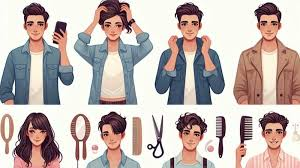
Casual smart style, also known as smart-casual, bridges the gap between professional and relaxed fashion. It allows men to appear stylish, approachable, and polished without the rigidity of formal office attire. Successfully coordinating hairstyle with casual smart outfits ensures that the overall look is cohesive, confident, and suitable for a variety of occasions—from business-casual meetings to weekend gatherings.
3.1 Defining Casual Smart Style
Casual smart outfits typically include:
Tops: Polo shirts, button-down casual shirts, or lightweight sweaters.
Bottoms: Chinos, tailored trousers, or dark jeans.
Footwear: Loafers, derbies, or clean sneakers.
Accessories: Belts, watches, or minimalistic bracelets that complement the ensemble.
This style emphasizes balance, comfort, and subtle sophistication, allowing men to project personality without appearing overly formal.
3.2 Hairstyle Options for Casual Smart Looks
The right hairstyle enhances the relaxed yet polished nature of casual smart outfits:
Textured Hair: Adds a natural, effortless look while maintaining structure. Ideal for tousled hairstyles that appear controlled but relaxed.
Messy Controlled Styles: Slightly tousled or layered hairstyles exude confidence and individuality without looking careless.
Undercut Variations: A modern undercut with some length on top allows for versatile styling, balancing creativity and neatness.
Unlike formal office styles, casual smart hairstyles can embrace a bit of volume and movement, creating a relaxed yet intentional appearance.
3.3 Matching Hair Texture and Outfit Materials
Casual smart outfits often feature varied textures—soft cotton shirts, lightweight knits, or smooth chinos—which should be complemented by hair that looks natural and healthy:
Smooth or Slightly Wavy Hair: Works well with clean-cut chinos and fitted shirts.
Textured or Layered Hair: Adds visual interest to simpler clothing combinations, enhancing overall style.
Using styling products like medium-hold wax or pomade ensures hair retains shape throughout the day without appearing overly stiff or glossy. The goal is effortless elegance rather than rigidity.
3.4 Color Coordination and Styling Subtleties
Hair color should harmonize with outfit tones:
Natural shades complement neutral clothing, creating a cohesive appearance.
Slight highlights or subtle variations can add depth and dimension, especially in sunlit environments.
Styling should enhance facial features and outfit contours. Avoid excessive volume or extreme textures that distract from the overall ensemble.
3.5 Practical Tips for Maintaining a Casual Smart Hairstyle
Daily Grooming: Use a comb or fingers to distribute product evenly and maintain a natural shape.
Appropriate Product Selection: Medium-hold wax or light pomade provides flexibility for touch-ups throughout the day.
Adaptability: Hairstyles should allow slight adjustments to accommodate changes in weather, activity, or social settings.
Regular Hair Health Maintenance: Healthy, hydrated hair ensures a polished appearance without excessive product use.
3.6 Enhancing Confidence and Personal Image
When hairstyle and casual smart outfits are aligned, men project a sense of effortless sophistication. Hair adds personality to the ensemble, reinforcing approachability, style consciousness, and self-confidence. A coordinated look ensures that the individual is perceived as put-together, fashionable, and confident without overdoing either element.
In conclusion, pairing hairstyles with casual smart outfits enhances style, personality, and confidence. Textured or controlled messy hair complements the balance between relaxed and refined clothing, creating a cohesive, visually appealing appearance. By paying attention to hair texture, volume, and subtle styling, men can achieve a casual smart look that is both approachable and impressive, leaving a positive impression in professional and social contexts alike.
3. Coordinating Hair with Casual Smart Outfits
Casual smart style, also known as smart-casual, bridges the gap between professional and relaxed fashion. It allows men to appear stylish, approachable, and polished without the rigidity of formal office attire. Successfully coordinating hairstyle with casual smart outfits ensures that the overall look is cohesive, confident, and suitable for a variety of occasions—from business-casual meetings to weekend gatherings.
3.1 Defining Casual Smart Style
Casual smart outfits typically include:
Tops: Polo shirts, button-down casual shirts, or lightweight sweaters.
Bottoms: Chinos, tailored trousers, or dark jeans.
Footwear: Loafers, derbies, or clean sneakers.
Accessories: Belts, watches, or minimalistic bracelets that complement the ensemble.
This style emphasizes balance, comfort, and subtle sophistication, allowing men to project personality without appearing overly formal.
3.2 Hairstyle Options for Casual Smart Looks
The right hairstyle enhances the relaxed yet polished nature of casual smart outfits:
Textured Hair: Adds a natural, effortless look while maintaining structure. Ideal for tousled hairstyles that appear controlled but relaxed.
Messy Controlled Styles: Slightly tousled or layered hairstyles exude confidence and individuality without looking careless.
Undercut Variations: A modern undercut with some length on top allows for versatile styling, balancing creativity and neatness.
Unlike formal office styles, casual smart hairstyles can embrace a bit of volume and movement, creating a relaxed yet intentional appearance.
3.3 Matching Hair Texture and Outfit Materials
Casual smart outfits often feature varied textures—soft cotton shirts, lightweight knits, or smooth chinos—which should be complemented by hair that looks natural and healthy:
Smooth or Slightly Wavy Hair: Works well with clean-cut chinos and fitted shirts.
Textured or Layered Hair: Adds visual interest to simpler clothing combinations, enhancing overall style.
Using styling products like medium-hold wax or pomade ensures hair retains shape throughout the day without appearing overly stiff or glossy. The goal is effortless elegance rather than rigidity.
3.4 Color Coordination and Styling Subtleties
Hair color should harmonize with outfit tones:
Natural shades complement neutral clothing, creating a cohesive appearance.
Slight highlights or subtle variations can add depth and dimension, especially in sunlit environments.
Styling should enhance facial features and outfit contours. Avoid excessive volume or extreme textures that distract from the overall ensemble.
3.5 Practical Tips for Maintaining a Casual Smart Hairstyle
Daily Grooming: Use a comb or fingers to distribute product evenly and maintain a natural shape.
Appropriate Product Selection: Medium-hold wax or light pomade provides flexibility for touch-ups throughout the day.
Adaptability: Hairstyles should allow slight adjustments to accommodate changes in weather, activity, or social settings.
Regular Hair Health Maintenance: Healthy, hydrated hair ensures a polished appearance without excessive product use.
3.6 Enhancing Confidence and Personal Image
When hairstyle and casual smart outfits are aligned, men project a sense of effortless sophistication. Hair adds personality to the ensemble, reinforcing approachability, style consciousness, and self-confidence. A coordinated look ensures that the individual is perceived as put-together, fashionable, and confident without overdoing either element.
In conclusion, pairing hairstyles with casual smart outfits enhances style, personality, and confidence. Textured or controlled messy hair complements the balance between relaxed and refined clothing, creating a cohesive, visually appealing appearance. By paying attention to hair texture, volume, and subtle styling, men can achieve a casual smart look that is both approachable and impressive, leaving a positive impression in professional and social contexts alike.
5. Coordinating Hair with Formal Event or Party Outfits
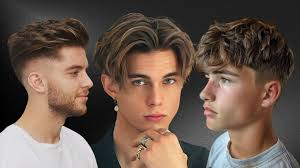
Formal events, such as weddings, gala dinners, or upscale parties, demand a polished and sophisticated appearance. In these settings, every detail—from clothing to accessories to hairstyle—contributes to the overall impression. Coordinating hair with formal attire ensures that a man projects elegance, confidence, and style, leaving a lasting impact on attendees.
5.1 Understanding Formal Event Attire
Formal event clothing typically includes:
Suits and Tuxedos: Classic black, navy, or charcoal tailored suits.
Dress Shirts: Crisp, well-fitted shirts in white or subtle tones.
Footwear: Polished dress shoes, often leather Oxfords or brogues.
Accessories: Ties, cufflinks, watches, and pocket squares for added sophistication.
This type of attire requires hairstyles that reflect refinement and professionalism, complementing the clean lines and elegance of the outfit.
5.2 Hairstyle Options for Formal Looks
Hairstyles suitable for formal occasions are characterized by structure, shine, and control:
Slick-Back Styles: Provide a smooth, sophisticated finish that pairs perfectly with tuxedos or tailored suits.
Side-Part Haircuts: Timeless and versatile, enhancing facial symmetry while maintaining elegance.
Pompadour: Adds height and formality, suitable for modern formal events that allow for some creativity.
Tapered or Faded Styles: Clean edges and precise cuts enhance neatness, ensuring the hairstyle does not compete with the outfit.
These hairstyles convey refinement and ensure the overall appearance is cohesive and intentional.
5.3 Hair Texture and Styling for Formal Events
Formal hairstyles benefit from controlled texture and shine:
Sleek, Straight Hair: Ideal for highly structured suits or classic formal looks.
Controlled Volume: Adds dimension without creating a messy appearance.
Use of High-Quality Styling Products: Pomades or waxes with moderate to strong hold help maintain style throughout long events while adding a subtle shine.
Consistency and control are key—overly casual or messy hair can undermine the sophistication of formal attire.
5.4 Color Coordination and Presentation
Natural or neutral hair colors are most appropriate for formal settings, maintaining an elegant and professional impression.
Subtle highlights can enhance texture but should remain understated.
Hair and outfit should harmonize in tone, avoiding contrasts that distract from the polished, formal aesthetic.
5.5 Practical Tips for Maintaining a Formal Hairstyle
Pre-Event Preparation: Wash and condition hair the night before, and ensure it is properly trimmed.
Morning Styling: Use appropriate products to shape, hold, and add shine without stiffness.
Touch-Ups During Events: Carry a small comb or portable styling product for quick adjustments.
Regular Maintenance: Frequent trims and hair care routines ensure hair remains healthy and responsive to styling.
5.6 Confidence and Impression Enhancement
When hairstyle and formal attire are well-coordinated, men exude confidence, authority, and sophistication. Every aspect of appearance reinforces their style, leaving a strong impression on peers, colleagues, or social contacts. Hair becomes an essential component in building a polished personal brand, demonstrating attention to detail, self-care, and fashion awareness.
In conclusion, coordinating hair with formal event attire is a vital step in achieving a striking and memorable appearance. Structured, controlled, and polished hairstyles elevate the elegance of suits, tuxedos, and dress shirts, ensuring that men present themselves with sophistication and confidence. By investing in hair health, quality styling products, and intentional coordination, men can leave lasting impressions and exude an effortlessly stylish presence at any formal occasion.
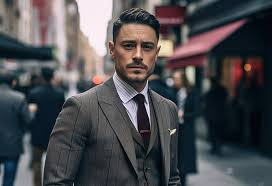
Formal events, such as weddings, gala dinners, or upscale parties, demand a polished and sophisticated appearance. In these settings, every detail—from clothing to accessories to hairstyle—contributes to the overall impression. Coordinating hair with formal attire ensures that a man projects elegance, confidence, and style, leaving a lasting impact on attendees.
5.1 Understanding Formal Event Attire
Formal event clothing typically includes:
Suits and Tuxedos: Classic black, navy, or charcoal tailored suits.
Dress Shirts: Crisp, well-fitted shirts in white or subtle tones.
Footwear: Polished dress shoes, often leather Oxfords or brogues.
Accessories: Ties, cufflinks, watches, and pocket squares for added sophistication.
This type of attire requires hairstyles that reflect refinement and professionalism, complementing the clean lines and elegance of the outfit.
5.2 Hairstyle Options for Formal Looks
Hairstyles suitable for formal occasions are characterized by structure, shine, and control:
Slick-Back Styles: Provide a smooth, sophisticated finish that pairs perfectly with tuxedos or tailored suits.
Side-Part Haircuts: Timeless and versatile, enhancing facial symmetry while maintaining elegance.
Pompadour: Adds height and formality, suitable for modern formal events that allow for some creativity.
Tapered or Faded Styles: Clean edges and precise cuts enhance neatness, ensuring the hairstyle does not compete with the outfit.
These hairstyles convey refinement and ensure the overall appearance is cohesive and intentional.
5.3 Hair Texture and Styling for Formal Events
Formal hairstyles benefit from controlled texture and shine:
Sleek, Straight Hair: Ideal for highly structured suits or classic formal looks.
Controlled Volume: Adds dimension without creating a messy appearance.
Use of High-Quality Styling Products: Pomades or waxes with moderate to strong hold help maintain style throughout long events while adding a subtle shine.
Consistency and control are key—overly casual or messy hair can undermine the sophistication of formal attire.
5.4 Color Coordination and Presentation
Natural or neutral hair colors are most appropriate for formal settings, maintaining an elegant and professional impression.
Subtle highlights can enhance texture but should remain understated.
Hair and outfit should harmonize in tone, avoiding contrasts that distract from the polished, formal aesthetic.
5.5 Practical Tips for Maintaining a Formal Hairstyle
Pre-Event Preparation: Wash and condition hair the night before, and ensure it is properly trimmed.
Morning Styling: Use appropriate products to shape, hold, and add shine without stiffness.
Touch-Ups During Events: Carry a small comb or portable styling product for quick adjustments.
Regular Maintenance: Frequent trims and hair care routines ensure hair remains healthy and responsive to styling.
5.6 Confidence and Impression Enhancement
When hairstyle and formal attire are well-coordinated, men exude confidence, authority, and sophistication. Every aspect of appearance reinforces their style, leaving a strong impression on peers, colleagues, or social contacts. Hair becomes an essential component in building a polished personal brand, demonstrating attention to detail, self-care, and fashion awareness.
In conclusion, coordinating hair with formal event attire is a vital step in achieving a striking and memorable appearance. Structured, controlled, and polished hairstyles elevate the elegance of suits, tuxedos, and dress shirts, ensuring that men present themselves with sophistication and confidence. By investing in hair health, quality styling products, and intentional coordination, men can leave lasting impressions and exude an effortlessly stylish presence at any formal occasion.
