

Blog
Healthy hair care for men who regularly use wax

Sep
Introduction
A well-styled hairstyle is often the hallmark of a confident and fashionable man. In today’s world, hair has become more than just a functional feature; it is a statement of personality, style, and self-expression. Among the numerous styling tools available, hair wax has become a favorite choice for men seeking flexibility, texture, and long-lasting hold. Whether aiming for a sleek, professional look or a textured, casual style, hair wax allows men to experiment and perfect their signature hairstyle.
However, frequent use of hair wax without proper care can have unintended consequences. Residue buildup, greasy roots, dry ends, and hair breakage are common issues that arise when wax is applied repeatedly without following a proper hair care routine. Over time, these problems can affect the scalp’s health, diminish hair quality, and even hinder the ability to style hair effectively. Many men overlook the importance of combining styling practices with hair care, often prioritizing appearance over the health of their hair.
The good news is that maintaining healthy hair while using wax regularly is entirely achievable. With the right approach, men can enjoy the benefits of hair wax—versatility, hold, and texture—without compromising the integrity of their hair. Proper washing, conditioning, pre-styling preparation, and post-styling care are essential components of a healthy hair routine. Understanding how to select the right wax, how to apply it effectively, and how to remove it gently can make a significant difference in preventing damage and ensuring that hair remains strong, shiny, and manageable.
This article aims to guide men who frequently use hair wax in adopting a comprehensive hair care routine. It will cover the effects of wax on hair, proper washing techniques, pre-styling preparation, styling methods that maintain hair health, post-styling care, and expert tips to promote long-term hair strength and vitality. By integrating these practices into daily routines, men can achieve the perfect balance between style and health, ensuring that their hair looks great while remaining resilient, nourished, and ready for any occasion.
Ultimately, healthy hair is the foundation for any great hairstyle. With the right knowledge and care, men can confidently use hair wax as a styling ally while preserving the natural strength, shine, and vitality of their hair. This article will provide the step-by-step guidance needed to achieve that balance, combining style, convenience, and hair wellness.
1. Understanding Men’s Hair and the Effects of Hair Wax
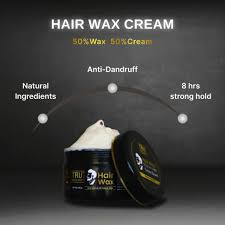
Before diving into hair care routines, it is crucial to understand the characteristics of men’s hair and how frequent use of hair wax affects it. Hair structure, scalp condition, and product ingredients all play significant roles in maintaining healthy hair while using styling products regularly.
1.1 Characteristics of Men’s Hair
Men’s hair often differs from women’s in terms of thickness, oil production, and growth patterns:
Thicker and Denser: Men’s hair generally has a higher density, which can make it more resilient but also prone to oiliness at the roots.
Oil Production: Testosterone influences sebum secretion, often resulting in an oily scalp, especially in the T-zone and crown area. Excess sebum can weigh hair down, making it difficult to maintain a styled look.
Growth Patterns: Men’s hair grows in specific directions and patterns, which can influence how a hairstyle holds and how wax interacts with different sections.
Understanding these traits helps men choose products and routines that complement their natural hair properties, ensuring both style and health.
1.2 Benefits of Hair Wax
Hair wax is a versatile styling product that provides several advantages when used correctly:
Hold and Flexibility: Wax allows hair to maintain shape while permitting adjustments throughout the day.
Texture and Definition: It enhances natural hair texture, adding depth and volume to various hairstyles.
Matte or Shiny Finish: Depending on the type of wax, men can achieve a natural matte look or a subtle shine.
Reworkable: Unlike some gels that harden, wax can be reshaped without washing, making it convenient for daily styling.
By understanding the benefits, men can maximize the stylistic advantages of hair wax without compromising hair integrity.
1.3 Potential Negative Effects of Frequent Wax Use
While hair wax offers numerous styling benefits, frequent or improper use can cause issues if hair care is neglected:
Residue Buildup: Wax can accumulate on the scalp and hair, leading to greasy roots, dullness, and product clumps.
Dryness and Breakage: Some wax formulations contain alcohol or other chemicals that can dry hair shafts, making them brittle and prone to breakage.
Clogged Pores and Scalp Issues: Excessive product can block follicles, potentially causing irritation or dandruff.
Weighting Down Hair: Over-application may flatten hair, reduce volume, and make styling more difficult over time.
These potential drawbacks emphasize the importance of integrating hair care into a styling routine. Knowing how to clean, condition, and protect hair after wax application is essential for long-term hair health.
1.4 Choosing the Right Hair Wax
Selecting the appropriate wax can significantly impact hair health and styling results:
Natural Ingredients: Waxes with natural oils and minimal harsh chemicals are less likely to dry or damage hair.
Hold Level: Choose a product with the right strength for your hairstyle. Strong hold may be necessary for thick or coarse hair, while lighter hold is better for fine or thin hair.
Finish Type: Matte waxes often reduce the appearance of greasiness, whereas shiny waxes enhance luster but can accentuate oil buildup if overused.
Understanding the characteristics of your hair and matching them with the proper wax type ensures that styling remains effective without compromising hair vitality.
1.5 Key Takeaways
Men’s hair is generally thicker and oilier, which influences how it reacts to styling products.
Hair wax provides hold, texture, and versatility, making it ideal for modern hairstyles.
Improper or excessive use can lead to residue buildup, dryness, breakage, and scalp issues.
Selecting wax with suitable ingredients, hold, and finish is crucial for both style and hair health.
By understanding the fundamental properties of hair and the effects of wax, men can lay the foundation for a hair care routine that balances style, convenience, and long-term hair wellness.
2. Proper Hair Washing and Cleansing Techniques for Wax Users

Maintaining healthy hair while frequently using hair wax starts with proper washing and cleansing. Removing wax residues effectively without stripping the hair of its natural oils is essential for keeping hair strong, shiny, and manageable.
2.1 Choosing the Right Shampoo
Not all shampoos are suitable for men who regularly style their hair with wax. Selecting the right formula is key:
Gentle Cleansing Shampoos: For everyday use, choose a shampoo that cleans without overly drying the scalp. Ingredients like aloe vera, chamomile, and mild surfactants help maintain moisture balance.
Clarifying Shampoos: Once or twice a week, use a clarifying shampoo to remove wax buildup. Clarifying shampoos break down accumulated product residues, preventing dullness and grease.
Avoid Harsh Chemicals: Shampoos containing sulfates or alcohol can strip natural oils excessively, leading to dryness, brittleness, and increased oil production as the scalp tries to compensate.
By matching the shampoo to your hair type—oily, normal, or dry—you can maintain cleanliness while supporting hair health.
2.2 Washing Frequency
Over-washing or under-washing can both have negative effects:
Over-Washing: Daily washing may remove too much sebum, causing the scalp to overproduce oil and resulting in greasy roots.
Under-Washing: Skipping washes for too long allows wax residues to accumulate, weighing hair down and making styling difficult.
Recommended Frequency:
Oily hair: 3–4 times per week.
Normal hair: 2–3 times per week.
Dry hair: 1–2 times per week, with occasional clarifying wash.
Finding a balance ensures that hair remains clean and healthy without compromising natural oil balance.
2.3 Proper Washing Technique
How you wash your hair is just as important as what you use:
Pre-Rinse: Start with warm water to loosen dirt and soften wax residue.
Gentle Massage: Apply shampoo to the scalp and massage using fingertips, not nails. This stimulates circulation and ensures even cleaning.
Focus on Scalp, Not Ends: Concentrate on the scalp where oil and wax accumulate; the ends usually need minimal shampoo.
Rinse Thoroughly: Make sure all shampoo and wax residues are rinsed out completely to avoid buildup.
Repeat if Necessary: For heavy wax buildup, a second gentle wash may be required.
Tip: Avoid hot water, which can strip natural oils; warm water is ideal.
2.4 Conditioning Hair Properly
Conditioning is essential for keeping hair hydrated, soft, and protected, especially when using styling products regularly:
Apply from Mid-Lengths to Ends: Avoid the scalp to prevent excess oiliness and weighed-down roots.
Use Lightweight Conditioners: Creamy or light formulations prevent heaviness while nourishing hair strands.
Leave-In Treatments: Light leave-in sprays or serums can add moisture and manageability without making hair greasy.
Conditioning helps protect hair from breakage, dryness, and the cumulative effects of wax usage.
2.5 Additional Cleansing Tips for Wax Users
Deep Cleansing Once a Week: Use clarifying shampoos or detox treatments to remove stubborn wax residues.
Avoid Scraping or Rough Handling: Do not try to scrape wax from hair; this can damage strands and irritate the scalp.
Rotate Shampoos: Alternating between gentle and clarifying shampoos helps maintain balance and prevent dependency on one formula.
2.6 Key Takeaways
Use gentle shampoos for daily cleansing and clarifying shampoos weekly to remove wax buildup.
Wash hair 2–4 times per week depending on hair type, balancing cleanliness with natural oil retention.
Massage scalp gently, rinse thoroughly, and avoid harsh water or vigorous scrubbing.
Apply conditioner only to mid-lengths and ends to maintain softness without greasiness.
Incorporate light leave-in treatments for extra hydration and manageability.
Proper washing and cleansing techniques form the foundation of healthy hair care for men who frequently use wax. By combining the right products, washing frequency, and gentle methods, hair remains clean, strong, and prepared for styling, reducing the risk of damage, greasiness, and scalp issues.
3. Pre-Styling Preparation and Application Techniques for Wax Users
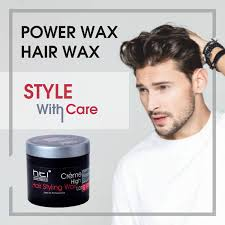
Achieving a stylish look while maintaining healthy hair begins long before the wax touches your strands. Proper pre-styling preparation ensures that the hair can hold the style effectively without damage, grease, or flattening.
3.1 Towel Drying and Moisture Control
Before applying wax, it is crucial to start with the right moisture level:
Pat, Don’t Rub: Gently pat hair with a towel to remove excess water. Rubbing can cause friction, breakage, and frizz.
Leave Hair Slightly Damp: Hair should be 70–80% dry; too wet, and the wax will slide off, too dry, and the product may not distribute evenly.
Controlling moisture is the first step to achieving even product application and long-lasting hold.
3.2 Using Pre-Styling Products
Pre-styling products create a protective base and enhance the performance of hair wax:
Pre-Styling Sprays or Mousse: These lightweight products provide texture, grip, and volume without adding weight.
Heat Protection: If using a blow dryer, pre-styling sprays with heat protection shield hair from damage and maintain moisture balance.
Root Lifting Products: Fine or thinning hair benefits from a root-lifting spray to prevent flatness.
Pre-styling ensures that wax adheres properly and the hairstyle holds throughout the day.
3.3 Choosing the Right Wax
Selecting the appropriate wax for your hair type and desired style is crucial:
Matte Wax: Ideal for natural, textured looks and for men with oily hair, as it reduces shine.
Shiny Wax or Pomade: Works well for sleek, structured hairstyles but may show greasiness if overapplied.
Strong Hold Wax: Suitable for thick or coarse hair that needs structure.
Light Hold Wax: Best for fine hair to add texture without weighing it down.
Understanding the characteristics of your wax allows you to apply the right amount in the right areas, minimizing buildup and scalp stress.
3.4 Sectioning Hair for Even Application
Proper application technique is as important as the product choice:
Divide Hair Into Sections: Particularly for thick or long hair, dividing into top, sides, and back ensures even distribution.
Warm the Wax: Rub a small amount between your palms until it softens. This allows for smooth application and prevents clumping.
Apply Mid-Lengths to Ends First: Avoid applying directly at the roots initially to prevent weighing down hair.
Layer Gradually: Start with a small amount and add more only if necessary, focusing on areas that need extra hold or texture.
Sectioning and layering prevent over-application, which can lead to greasiness and scalp irritation.
3.5 Styling Techniques
How you manipulate the hair during styling impacts both the appearance and health of your hair:
Use Fingers for Texture: Fingers create natural separation and avoid flattening the hair.
Comb for Precision: Fine-tooth combs are ideal for structured or slicked-back styles. Wide-tooth combs work for casual, voluminous looks.
Avoid Over-Manipulation: Excessive touching throughout the day can transfer oils from hands and flatten volume.
Combining fingers and combs strategically ensures both flexibility and control while protecting hair integrity.
3.6 Setting the Style
Once the wax is applied and shaped:
Optional Light Hairspray: A fine mist can lock the style without stiffness or stickiness.
Blow Dry on Low Heat: Helps set the style and maintain volume, especially for hair that tends to fall flat.
The final setting step ensures that the hairstyle lasts throughout the day without excessive product buildup or greasiness.
3.7 Key Takeaways
Pat hair dry; do not over-dry or leave it too wet.
Use pre-styling products to protect hair and enhance grip.
Choose wax suitable for your hair type and desired look.
Apply in sections, warm wax in palms, layer gradually.
Use fingers for texture and comb for precision, minimizing over-manipulation.
Set style with optional hairspray or gentle blow-drying.
Pre-styling preparation and correct application techniques are critical for maintaining hair health while achieving stylish, long-lasting results. With these methods, men can enjoy the benefits of wax styling without compromising the strength, shine, or vitality of their hair.
4. Post-Styling Care and Maintenance for Wax Users
Styling with hair wax can provide flexibility, texture, and hold, but proper post-styling care is crucial to maintain healthy hair. Removing residues, nourishing strands, and protecting the scalp prevent damage and ensure your hair remains strong and manageable over time.
4.1 Removing Wax Residue Effectively
Cleaning your hair after a day of styling is the first step in post-styling care:
Gentle Cleansing: Use a mild shampoo to remove wax without stripping natural oils. For heavy wax buildup, a clarifying shampoo once or twice a week can be effective.
Avoid Scraping: Never try to scrape wax off with fingernails or combs, as this can damage hair cuticles and irritate the scalp.
Double Wash if Necessary: For thick or heavily styled hair, a second gentle shampoo can ensure all product is removed.
Thorough cleaning prevents residue accumulation, which can weigh hair down and contribute to scalp issues.
4.2 Conditioning and Hydration
Post-styling care should focus on restoring moisture and maintaining hair strength:
Apply Conditioner from Mid-Lengths to Ends: Avoid the roots to prevent excessive oiliness. Conditioner replenishes moisture lost from daily styling and environmental exposure.
Use Leave-In Treatments or Serums: Lightweight leave-in products can hydrate and smooth hair without adding weight or greasiness.
Natural Oils: Occasional application of argan, jojoba, or coconut oil on the ends can repair dryness and enhance shine.
Consistent conditioning maintains elasticity, reduces breakage, and keeps hair manageable for future styling.
4.3 Scalp Care
A healthy scalp supports healthy hair:
Massage the Scalp: Gentle massage during washing or while applying leave-in treatments stimulates blood flow, encouraging hair growth and distributing natural oils.
Avoid Product Overload: Excess wax or styling product on the scalp can block follicles, causing irritation or dandruff.
Monitor Scalp Health: Redness, itching, or flaking may indicate product sensitivity or overuse. Adjust products or frequency as needed.
Proper scalp care ensures that your hair remains strong, resilient, and less prone to greasiness or damage.
4.4 Giving Hair Time to Recover
Hair needs occasional breaks from styling products to maintain its natural health:
Rest Days: Avoid using wax 1–2 days per week to allow hair and scalp to recover.
Light Styling or No Product: On rest days, let hair air-dry naturally, or use minimal product to maintain shape without stress.
Recovery periods prevent overloading hair with chemicals and reduce the risk of dryness or weakened strands.
4.5 Protective Habits for Long-Term Hair Health
Regular Trims: Remove split ends and maintain a manageable hair length for styling.
Balanced Nutrition: Protein, vitamins, and omega-3 fatty acids strengthen hair from within.
Hydration and Sleep: Adequate water intake and rest support hair vitality and scalp health.
Sun and Heat Protection: Limit direct exposure to harsh sun or high heat from blow dryers. Pre-styling sprays with heat protection are recommended.
Maintaining these habits ensures that frequent wax use does not compromise hair quality, allowing for consistent styling without sacrificing health.
4.6 Key Takeaways
Clean hair thoroughly after styling to remove wax residue and prevent buildup.
Condition mid-lengths to ends, and use lightweight leave-in treatments or natural oils for hydration.
Care for the scalp through gentle massage and monitoring for irritation.
Give hair occasional rest days to recover from frequent product use.
Maintain healthy habits, including trims, nutrition, hydration, and protection from heat and sun.
By incorporating these post-styling routines, men can continue to enjoy the benefits of hair wax—flexibility, hold, and style—without compromising the strength, shine, and overall health of their hair. Proper care ensures that every styled look is not only attractive but also sustainable for long-term hair wellness.
5. Expert Tips and Conclusion
Maintaining healthy hair while frequently using hair wax requires a combination of proper product selection, styling techniques, post-styling care, and long-term hair maintenance strategies. Experts in men’s grooming emphasize that hair health and style longevity go hand in hand.
5.1 Expert Tips for Wax Users
Choose Quality Wax Products:
Opt for waxes made with natural oils and minimal harsh chemicals to prevent dryness and damage.
Consider hold strength and finish according to your hair type. Matte wax is ideal for fine or oily hair, while strong-hold wax suits thick or coarse hair.
Use Minimal Product:
Less is more when it comes to hair wax. Applying small amounts in layers reduces the risk of buildup, greasiness, and scalp irritation.
Always warm the wax in your palms before application for even distribution.
Pre-Styling Matters:
Pre-styling products, such as lightweight sprays or mousse, provide grip and volume, allowing wax to hold better with less quantity.
Protect hair from heat when using blow dryers by applying a pre-styling heat-protection product.
Correct Washing Techniques:
Use gentle shampoo regularly and clarifying shampoo once or twice a week to remove wax residues.
Condition hair from mid-lengths to ends, and consider lightweight leave-in treatments to restore moisture.
Regular Trims and Scalp Care:
Frequent trims prevent split ends and maintain a manageable style.
Massaging the scalp improves circulation and balances oil production, which supports hair growth and health.
Rotate Products and Give Hair Breaks:
Avoid using the same wax every day. Rotating products prevents buildup and allows hair to breathe.
Give your hair rest days without styling products to allow recovery and maintain natural strength.
Maintain Overall Hair Health:
Adequate nutrition, including protein, vitamins, and omega-3 fatty acids, strengthens hair from the inside.
Hydration, quality sleep, and stress management prevent excessive oil production and support scalp health.
Protect hair from sun exposure and excessive heat styling.
By integrating these expert strategies into a daily and weekly routine, men can enjoy flexible, stylish hair while preserving its strength, shine, and vitality.
