

Blog
The secret to keeping your hair in place all day long without causing stickiness
Sep
Introduction
A well-styled hairstyle is more than just a fashion statement—it is a reflection of personal confidence, attention to detail, and overall grooming. For many men and women, achieving the perfect hairstyle in the morning is only half the battle; the real challenge lies in maintaining that style throughout the entire day. One of the most common frustrations is hair that quickly becomes greasy, loses shape, or falls flat, making all the effort spent on styling seem wasted.
The causes of hair losing its shape or becoming greasy are numerous. Natural oils produced by the scalp, environmental factors such as humidity and wind, improper hair care, or the wrong styling products can all contribute to this problem. Even those who invest in high-quality products often find themselves battling flat, sticky, or bunched-up hair by midday. This issue can affect personal appearance, reduce confidence, and make individuals feel less polished or professional.
Fortunately, keeping hair looking fresh, voluminous, and perfectly styled throughout the day is entirely possible with the right approach. It requires a combination of proper hair preparation, selecting suitable styling products, using correct techniques, and maintaining hair health. From understanding how to manage natural oils to learning which products provide long-lasting hold without causing greasiness, there are practical strategies that can dramatically improve your hairstyle’s durability.
In this article, we will explore the secrets to maintaining a perfectly styled look from morning to night. We will cover the reasons hair loses its shape, preparation techniques before styling, methods to apply products correctly, daily maintenance tips, and professional tricks that help extend the life of any hairstyle. By following these tips, you can ensure that your hair remains manageable, naturally textured, and visually appealing all day long, boosting your confidence and leaving a lasting impression wherever you go.
Ultimately, achieving a hairstyle that lasts requires understanding your hair’s unique characteristics and applying the right methods consistently. Whether you have fine, thick, curly, or straight hair, the techniques outlined in this guide will help you enjoy a long-lasting, fresh look without the discomfort or appearance of greasiness.
1. Understanding Why Hair Loses Shape and Becomes Greasy
Before exploring techniques to maintain a hairstyle all day, it is essential to understand why hair tends to lose its shape or become greasy. Hair issues are often the result of both internal and external factors, and identifying these causes can help you implement effective strategies for long-lasting styles.
1.1 Internal Factors
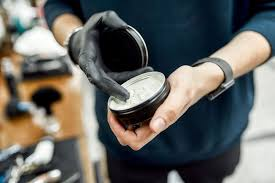
1. Natural Oil Production (Sebum):
The scalp produces sebum, a natural oil that keeps hair moisturized and healthy. While essential for hair health, excessive sebum can weigh hair down, making it look flat, oily, or sticky. Individuals with oily scalps or fine hair are particularly prone to early greasiness.
2. Hair Structure and Type:
The thickness, density, and texture of your hair play a significant role in how well a hairstyle holds. Fine or straight hair tends to lose volume and flatten quickly, while curly or wavy hair can frizz and lose defined shape under certain conditions. Understanding your hair type allows you to choose products and styling techniques that complement its natural properties.
3. Health and Nutrition:
Your overall health directly impacts the condition of your hair. A lack of essential vitamins, dehydration, stress, or hormonal imbalances can increase oil production or make hair more fragile. Maintaining a balanced diet, drinking plenty of water, and managing stress are crucial steps for healthy, manageable hair.
1.2 External Factors
1. Improper Use of Styling Products:
Using heavy, greasy, or inappropriate products can cause hair to clump together, lose texture, or appear sticky. Overusing gels, pomades, or waxes without proper application can accelerate the greasiness problem.
2. Physical Contact:
Touching, rubbing, or brushing hair repeatedly throughout the day transfers oils from your hands to your hair, disrupting its shape and contributing to a weighed-down appearance.
3. Environmental Conditions:
Humidity, rain, heat, and pollution all affect hair performance. Humid conditions can make hair frizzy or limp, while dry environments can cause static and breakage. Wind and rain can flatten styled hair or compromise hold.
4. Hygiene and Washing Habits:
Washing hair too frequently strips natural oils, prompting the scalp to overproduce sebum. Conversely, washing too infrequently can allow oil and product buildup, leading to a greasy appearance. Finding the right balance in your washing routine is essential.
1.3 Consequences of Hair Losing Shape
Failing to control oil and maintain hair structure can result in:
-
Loss of Confidence: Flat, greasy, or messy hair can affect self-esteem and appearance.
-
Poor Impression: Hair that looks untidy may impact professional or social interactions.
-
Hair Damage: Constant manipulation to fix flattened or greasy hair can break strands and increase frizz.
-
Discomfort: Sticky or weighed-down hair can feel heavy and uncomfortable throughout the day.
1.4 Key Insights
Understanding the internal and external factors affecting hair is the first step in achieving long-lasting, non-greasy hairstyles. Hair health, scalp balance, product selection, and environmental awareness all play critical roles in maintaining style throughout the day. Recognizing the root causes allows you to adopt strategies that keep hair looking fresh, voluminous, and manageable from morning to night.
2. Preparing Your Hair for Long-Lasting Style
Achieving a hairstyle that lasts all day begins long before applying any product. Proper preparation of your hair and scalp is critical to ensuring that your style holds, maintains volume, and avoids the dreaded greasy or flattened look. This preparation involves washing, conditioning, drying, and selecting the right styling products for your hair type and desired style.
2.1 Washing Your Hair Correctly
Choose the Right Shampoo:
Select a shampoo that suits your hair type. For oily hair, a clarifying or balancing shampoo helps remove excess sebum without over-drying. For dry hair, a moisturizing shampoo maintains softness and prevents breakage. Using a shampoo that does not match your hair type can either leave residue or strip necessary oils, both of which can compromise your hairstyle.
Frequency Matters:
Over-washing can trigger your scalp to produce more oil, while under-washing can allow oil and product buildup to accumulate. Most individuals find washing every 2–3 days optimal, but this depends on your hair type and lifestyle.
Proper Technique:
Massage your scalp gently to stimulate circulation and remove dirt, but avoid harsh scrubbing, which can irritate the scalp and encourage oil overproduction. Rinse thoroughly to prevent residue, which can weigh hair down and make it appear greasy.
2.2 Conditioning Without Weighing Hair Down
Conditioners are essential for maintaining hair softness and manageability, but they must be used carefully to avoid greasiness.
Use a Lightweight Conditioner: Focus on mid-lengths and ends rather than roots, as applying conditioner directly to the scalp can increase oiliness.
Rinse Thoroughly: Any leftover conditioner can attract dust and oil, reducing hold and causing hair to appear limp.
Optional Leave-In Products: Light leave-in sprays or serums can provide hydration and frizz control without heaviness.
2.3 Drying Techniques for Optimal Hold
The way you dry your hair greatly affects its ability to hold a style.
Towel Drying:
Gently pat or squeeze hair with a towel rather than rubbing vigorously. Rubbing can damage hair cuticles, cause frizz, and stimulate excess oil production.
Blow Drying:
Use a blow dryer with a nozzle attachment to direct airflow along the hair shaft.
Dry hair in the direction it naturally grows for smoother results.
Incorporate a round brush or your fingers to create volume, lift, or defined shapes.
Finish with cool air to help “set” the hair and reduce static.
Avoid Over-Drying:
Excessive heat can dry out the scalp, leading to compensatory oil production, which causes greasiness later in the day. Always use medium heat settings and heat-protectant sprays if necessary.
2.4 Selecting the Right Styling Products
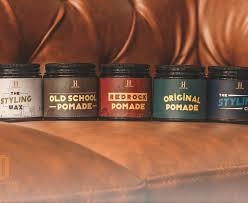
Choosing the appropriate styling product is crucial for maintaining your hairstyle all day without greasiness.
Hair Wax: Offers flexibility, texture, and matte or natural finishes. Ideal for casual, textured, or voluminous styles. Apply sparingly to avoid weight.
Pomade: Provides moderate hold and shine. Choose lighter pomades for everyday use to prevent greasy appearance.
Gel: Provides maximum hold and shine for structured styles. Opt for alcohol-free or light formulations to reduce stiffness and dryness.
Pre-Styling Sprays or Mousse: Lightweight sprays can add volume and hold without heavy residue. They are especially useful for fine or limp hair.
Key Tip: Always start with a small amount, evenly distribute through hair, and add more gradually if needed. Overloading with product is a common cause of greasiness and flattened hairstyles.
2.5 Preparing for Longevity
A well-prepared foundation ensures that your hair will maintain its shape and texture throughout the day:
Ensure hair is clean, conditioned, and partially dry before styling.
Use pre-styling products to provide grip and volume.
Consider the type of style you want—structured, casual, or textured—and select products that match.
By dedicating time to proper preparation, you minimize the risk of greasy hair and increase the likelihood of a hairstyle that remains fresh, natural, and vibrant from morning to night.
3. Styling Techniques to Keep Hair in Place All Day
Once your hair is properly prepared, the next step is mastering the styling techniques that ensure your hair maintains its shape, texture, and volume throughout the day. Using the right methods during styling can prevent greasiness, flattening, and frizz, allowing your hairstyle to stay fresh from morning to night.
3.1 Sectioning Hair for Even Product Distribution
One of the most effective ways to prevent greasiness and ensure long-lasting hold is by sectioning your hair before applying products.
Divide your hair into small sections, especially if you have thick or long hair.
Apply a small amount of product to each section and work it evenly through the strands using your fingers or a comb.
Sectioning ensures that every part of your hair receives the proper amount of product without overloading certain areas, which can lead to greasy patches.
3.2 Applying the Right Amount of Product
Using the correct quantity of styling product is crucial. Too little product will not provide sufficient hold, while too much can make hair heavy, sticky, or greasy.
Start with a pea-sized amount of wax, pomade, or gel, and warm it between your fingers before application.
Gradually build up if needed, ensuring each layer is evenly distributed.
Focus on the mid-lengths and ends for texture and hold, avoiding excess product near the roots to prevent flattening.
Tip: Less is more. It is easier to add more product than to remove excess and restore natural volume.
3.3 Using Fingers vs. Comb
The tools you use to style your hair can impact its longevity and appearance.
Fingers: Ideal for creating texture, volume, and a natural look. Running fingers through hair also allows for subtle adjustments during styling.
Comb: Best for sleek, polished styles that require precision. Use a fine-tooth comb for structured hairstyles like side parts or slick backs, and a wide-tooth comb for more textured or voluminous styles.
Avoid over-combing, as excessive manipulation can stimulate oil production and break hair strands, leading to greasiness and frizz.
3.4 Blow Drying for Extra Hold
Blow drying after applying a styling product can significantly enhance the longevity of your hairstyle.
Use a medium heat setting to avoid drying out your hair while providing enough heat to “set” the style.
Blow dry in the direction of your desired style for smoother results.
For extra volume, lift hair at the roots with your fingers or a brush while blow drying.
Finish with a short burst of cool air to lock in the shape and reduce static.
Blow drying not only provides structure but also helps distribute product evenly, reducing the risk of greasy spots or flattened areas.
3.5 Layering Products Strategically
Combining multiple products in layers can improve hold and texture without causing buildup.
Start with a lightweight pre-styling spray or mousse: Adds volume and grip.
Follow with wax or pomade: Provides texture, flexibility, and medium hold.
Optional hairspray: Light mist for extra hold in humid or high-activity environments.
Layering ensures that each product complements the other, minimizing greasiness while maximizing style longevity.
3.6 Avoiding Over-Manipulation
Throughout the day, constant touching or adjusting hair can disrupt its shape and stimulate oil production.
Once styled, resist the urge to run fingers through your hair repeatedly.
Carry a small touch-up product, such as a mini wax or light texturizing spray, to refresh the style without overloading the hair.
Use a small amount to reshape or lift areas that have flattened instead of applying more product all over.
3.7 Techniques for Different Hair Types
Fine Hair:
Apply lightweight wax or mousse to avoid weighing hair down.
Focus on the roots for lift, mid-lengths for texture.
Thick Hair:
Use stronger hold wax or pomade to maintain structure.
Section hair and layer products for even hold.
Curly or Wavy Hair:
Use wax or pomade to define curls without making hair sticky.
Avoid gels that harden, which can flatten natural texture.
Straight Hair:
Gel or pomade can create sleek styles; use minimal product for a natural look.
Layering light hairspray can help hold structure without greasiness.
3.8 Key Takeaways
Section hair and apply products gradually.
Use fingers for texture, combs for precision.
Blow dry strategically for volume and hold.
Layer products intelligently for style longevity.
Avoid over-touching and refresh with minimal product if necessary.
By combining these techniques, you can significantly extend the life of your hairstyle, maintain volume and texture, and prevent greasiness. Consistent practice will help you identify the methods that work best for your hair type and desired look.
4. Daily Maintenance and Care to Keep Hairstyles Fresh
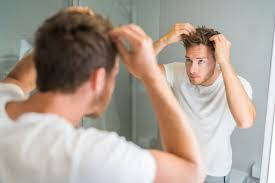
Even the best styling techniques and products cannot maintain a hairstyle all day without proper maintenance. Daily care practices play a vital role in ensuring that your hair remains in place, fresh, and free from greasiness or unwanted flattening. Implementing simple habits throughout the day can significantly extend the life of your hairstyle.
4.1 Minimize Touching Your Hair
One of the most common reasons for hair losing shape or becoming greasy is frequent physical contact.
Hands Transfer Oil: Each time you touch your hair, you transfer natural oils and dirt from your hands to your scalp and strands, which can weigh hair down.
Disrupts Shape: Constant running of fingers through hair can flatten volume and disturb texture.
Tips:
Keep hair away from your face when possible.
If you need to adjust your hair, use a small comb or a minimal amount of styling product instead of fingers.
4.2 Use Touch-Up Products Wisely
Carrying lightweight styling products for quick touch-ups can help maintain your look throughout the day.
Mini Wax or Pomade: A pea-sized amount applied sparingly to flattened areas can restore shape and texture.
Texturizing Spray: Provides lift and volume without adding weight or greasiness.
Light Hairspray: A fine mist can help hold the style in place without making hair stiff or sticky.
Tip: Always apply touch-up products sparingly. Excess product can create buildup and a greasy appearance.
4.3 Manage Excess Oil
Excess scalp oil can be absorbed without disrupting your hairstyle.
Blot with Tissue or Oil-Absorbing Sheets: Gently press on oily areas to remove shine without disturbing your style.
Dry Shampoo: A small amount sprayed or sprinkled on roots can absorb oil and add volume.
Tip: Dry shampoo is particularly effective for fine or oily hair and is a quick solution for mid-day refreshes.
4.4 Environmental Awareness
Weather conditions can significantly affect how well your hairstyle holds.
Humidity: Causes frizz and limp hair. Light hold wax or anti-frizz sprays help maintain structure.
Wind: May flatten or dishevel hair. Carry a travel-size styling product for quick fixes.
Heat and Sun: Can dry hair, stimulating excess oil production. Use protective sprays or leave-in conditioners.
Tip: Adapting your product choices to environmental conditions can help prevent greasiness and loss of shape.
4.5 Maintain Scalp and Hair Health
Healthy hair holds styles better and is less prone to greasiness or damage.
Balanced Diet and Hydration: Vitamins, proteins, and sufficient water intake strengthen hair and regulate oil production.
Stress Management and Sleep: Adequate rest and stress control prevent excessive sebum production.
Regular Washing: Maintain a consistent washing routine suitable for your hair type to prevent buildup without stripping essential oils.
Conditioning: Use lightweight conditioners to maintain softness without weighing hair down.
Tip: Treat your hair like an investment; healthier hair means easier styling and longer-lasting results.
4.6 Routine for Mid-Day Refresh
Even with preparation and proper styling, hair may need occasional refreshing during the day:
Identify Problem Areas: Look for flattened sections or areas with excess shine.
Apply Minimal Product: Use a small amount of wax, pomade, or texturizing spray only on affected areas.
Lift and Shape: Gently lift roots and reshape with fingers or a comb.
Finish with Light Hairspray: Lock in adjustments without creating stiffness or weight.
Tip: Keeping a small styling kit in your bag or desk drawer ensures you can refresh your hair anytime without overdoing it.
4.7 Professional Maintenance Tips
Regular Haircuts: Keep ends trimmed to prevent split ends and maintain the intended shape.
Deep Conditioning or Hair Masks: Use weekly for added moisture and elasticity, helping hair retain style better.
Rotate Products: Avoid using the same product every day to prevent buildup and maintain hair health.
Conclusion
Maintaining a hairstyle all day without greasiness may seem challenging, but with the right combination of preparation, styling techniques, daily maintenance, and professional tips, it is entirely achievable. The key is understanding your hair type, selecting appropriate products, mastering the proper application and styling methods, and caring for your hair consistently.
By preparing your hair with proper washing, conditioning, and drying techniques, you create a solid foundation for long-lasting styles. Using the correct amount of product, applying it strategically, and layering intelligently allows your hairstyle to maintain shape, texture, and volume without becoming greasy. Daily habits such as limiting hair touching, managing oil buildup, and making minor touch-ups when necessary further extend the life of your style.
Professional secrets, such as selecting products tailored to your hair type, layering pre-styling and finishing products, and protecting hair from environmental stress, take your styling routine to the next level. Equally important is maintaining hair health through proper nutrition, hydration, and regular treatments, as healthy hair naturally holds style better.
Ultimately, achieving long-lasting, grease-free hair is a combination of preparation, technique, maintenance, and care. By integrating these strategies into your daily routine, you can enjoy a hairstyle that looks fresh, voluminous, and polished all day, boosting your confidence and leaving a lasting impression wherever you go.
